Three ways to make a diploma apostillable
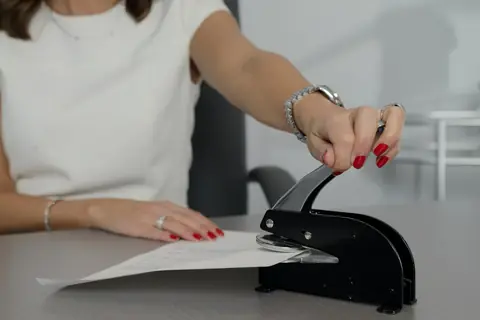
- Notarized copy — a notary certifies a photocopy as a true copy of the original diploma presented. Permitted in many states (Florida, Texas, Arizona, California for some documents, Nevada, Colorado and others); prohibited or restricted in a few (for example, New York notaries cannot certify copies, and Georgia limits copy certification). Where prohibited, use a copy certification by document custodian: the graduate signs an affidavit that the copy is true, and the notary notarizes the affidavit.
- Registrar’s notarized signature — the registrar signs the diploma or a verification letter before a notary (universities often keep a notary on staff). This is the strongest form for countries that require “issuer attestation” (China, Vietnam, the Gulf).
- Duplicate diploma issued by the school with a notarized registrar signature — useful when the original cannot be parted with.
The apostille is issued by the state where the notary is commissioned, which need not be the school’s state (except when the school’s registrar notarizes).
Destination requirements
- Spain, Italy, Portugal, Mexico, Brazil, Colombia — apostilled diploma plus sworn translation; often also apostilled transcripts; some procedures (homologation, Dichiarazione di Valore, revalidación) impose their own documentary rules on top.
- South Korea (E-2 visa), Japan, China (work permit Z visa) — apostilled bachelor’s degree; China additionally verifies degrees through its own services, and some employers require the registrar’s notarized verification rather than a notarized copy.
- UAE, Qatar, Kuwait — attestation chain (state authentication, U.S. Department of State, embassy legalization), frequently through designated agents; Saudi Arabia accepts apostilles since 2022.
- Germany, Netherlands, Scandinavia — often no apostille for admissions; required for professional recognition.
Transcripts
Transcripts follow the same logic and are often requested together; see transcripts.
Diplomas in other languages or from foreign schools
A U.S. apostille can only be issued for a notarization performed in the U.S. A diploma from a foreign university must be apostilled by that country’s competent authority (or its U.S. notarized copy apostilled by the state, if the destination accepts that).
Common reasons for rejection
- Notarized copy made in a state that forbids copy certification
- Notarization on a separate sheet not clearly tied to the diploma
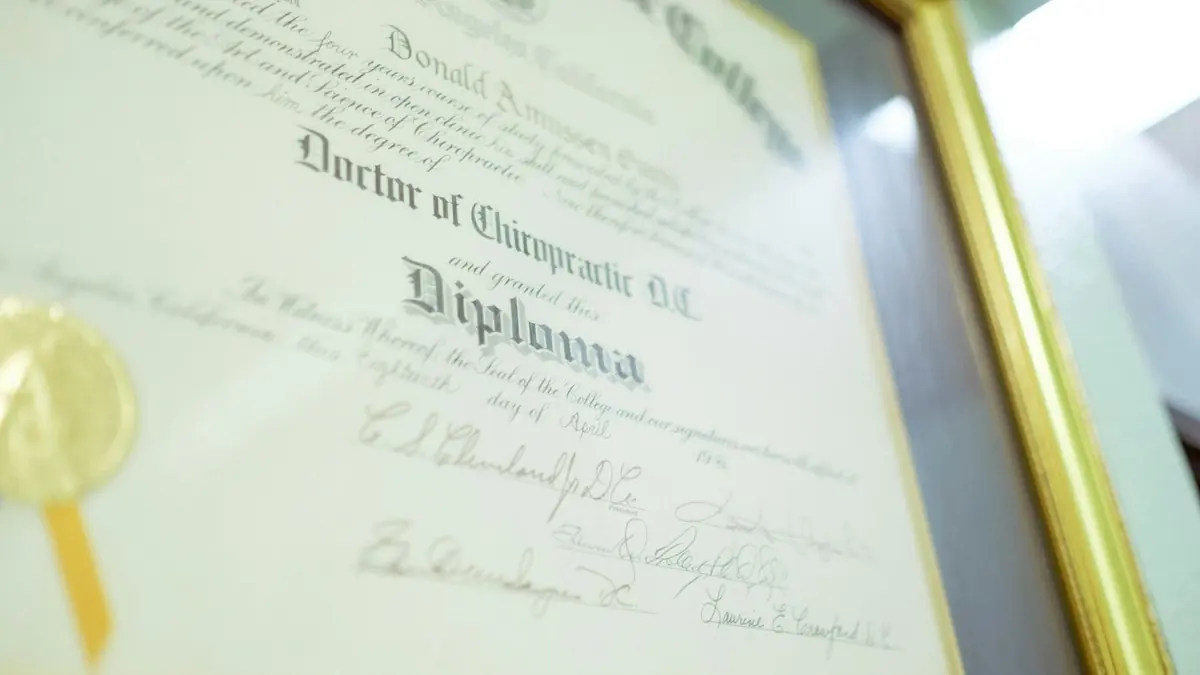
- Diploma with the school seal only, no notarization
- Copy of a copy
- Translation apostilled instead of the diploma
Frequently asked questions
Can the university apostille my diploma?
No. Universities are not competent authorities. The registrar’s notarized signature or a notarized copy is what the state apostilles.
Does the school have to be in the same state as the notary?
No, unless the registrar is the one signing before a notary. A notarized copy can be made in any state that allows copy certification.
Is a notarized diploma copy accepted for a Korean teaching visa?
Yes, with the state apostille, for most E-2 applications. Some employers ask for the registrar’s notarized verification.