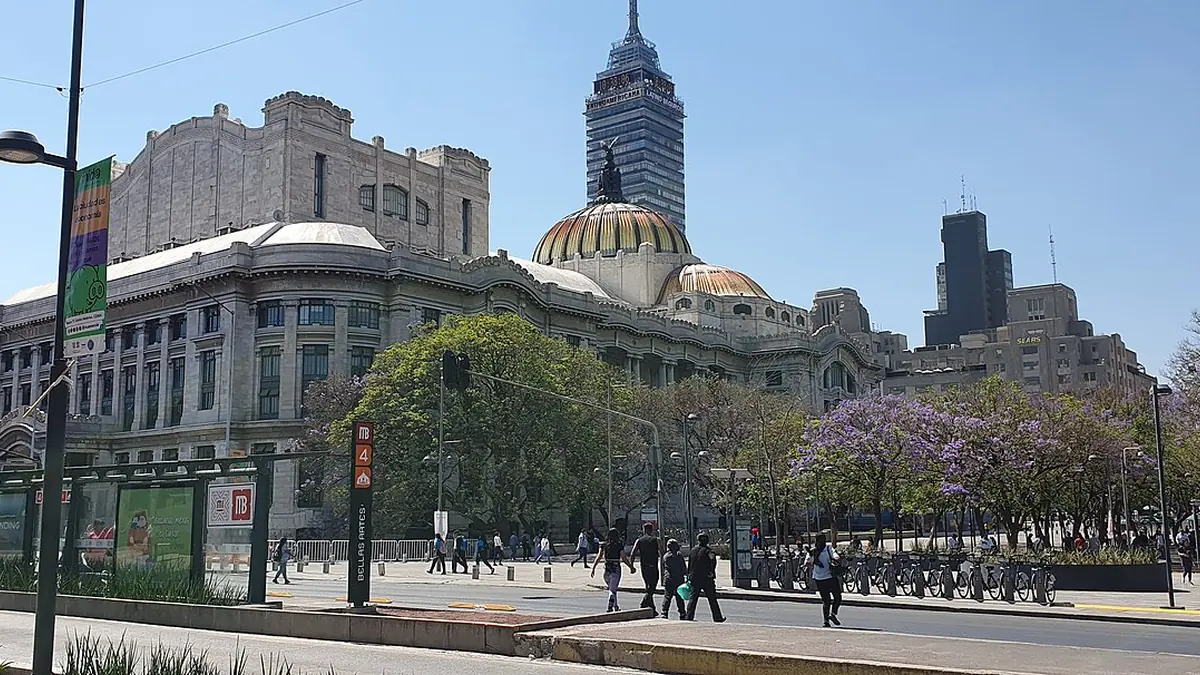
Mexico is a party to the Hague Apostille Convention (in force since 14 August 1995). A U.S. public document bound for Mexico needs a single apostille from the competent authority of the state that issued or notarized it, or from the U.S. Department of State for federal documents. No embassy or consular legalization is required, and Mexico's authorities cannot demand one.
Acceded 1994-12-01; in force 1995-08-14 (HCCH).
The route, step by step
- Identify the issuing office
State or local signature → that state’s competent authority. Federal signature → U.S. Department of State. How to tell.
- Prepare the right version
Certified copies for vital and court records; complete notarization for private documents. Preparation checklist.
- Request the apostille
Name Mexico as the destination on the request form so the office issues an apostille (not an authentication certificate).
- Translate if required
After apostille, translation into Spanish by a perito traductor autorizado approved by the Tribunal Superior de Justicia of the Mexican state where the document will be used (Consulado de Mexico en Atlanta).
Using U.S. documents in Mexico
The largest corridor for U.S. apostilles. Three procedures account for most requests: registration of U.S.-born children of Mexican parents (done at Mexican consulates in the U.S., where the U.S. birth certificate is accepted without apostille, or at the Registro Civil in Mexico, where it must be apostilled and translated), temporary and permanent residency (apostilled FBI or state checks are not usually required, but apostilled birth and marriage certificates are needed for family-unity applications), and marriage (apostilled birth certificate, single-status affidavit where the state registry requires it, and divorce decree if applicable).
Translations must be made in Mexico by a perito traductor authorized by the Tribunal Superior de Justicia of the state where the document will be used; a U.S. notarized translation is not accepted by civil registries. Apostilled vital records used inside Mexico are inscribed at the Registro Civil, and Mexican notaries (notarios públicos) routinely require apostilled, translated powers of attorney in the poder format they recognize — ask the notary for the wording first. Mexican authorities accept e-apostilles from U.S. states that issue them, though many offices still prefer paper.
Why U.S. documents are sent to Mexico
- Mexican nationality for US-born children of Mexican parents
- temporary/permanent residency
- marriage in Mexico
- school enrollment
- property/power of attorney
Mexico-specific points
- Mexican consulates register US-born children of Mexican parents directly; the US birth certificate needs no apostille for that consular registration (San Diego consulate 2026 requirements).
- For use inside Mexico, apostilled birth/marriage/death certificates must additionally be inscribed at the Registro Civil (Atlanta consulate FAQ).
- Apostille is issued by the US state Secretary of State; it certifies the signature/seal, not document content.
Frequently asked questions
Do I need an apostille or legalization for Mexico?
An apostille. Mexico is a Hague Convention member, so no embassy legalization is needed.
Who issues the apostille for Mexico?
The U.S. state that issued or notarized the document, or the U.S. Department of State for federal documents — never a U.S. embassy, and never Mexico’s embassy.
Does Mexico require a translation?
After apostille, translation into Spanish by a perito traductor autorizado approved by the Tribunal Superior de Justicia of the Mexican state where the document will be used (Consulado de Mexico en Atlanta).