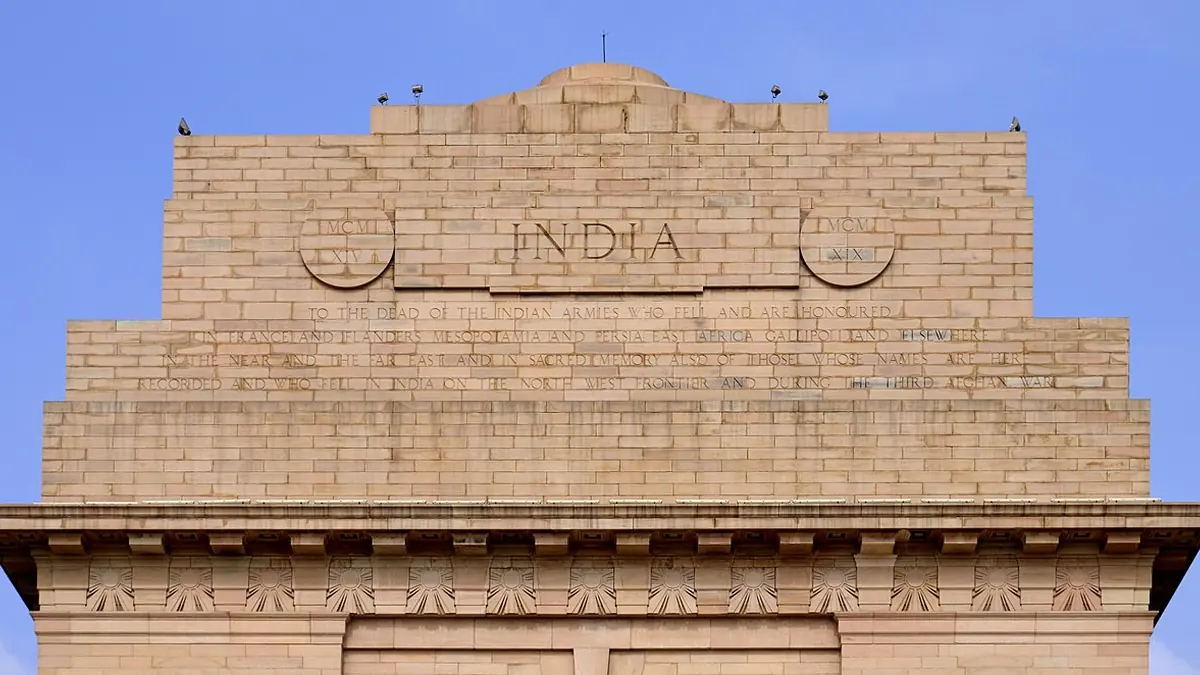
India is a party to the Hague Apostille Convention (in force since 14 July 2005). A U.S. public document bound for India needs a single apostille from the competent authority of the state that issued or notarized it, or from the U.S. Department of State for federal documents. No embassy or consular legalization is required, and India's authorities cannot demand one.
Acceded 2004-10-26; in force 2005-07-14 (HCCH). Germany's objection remains, but no objection by the US.
The route, step by step
- Identify the issuing office
State or local signature → that state’s competent authority. Federal signature → U.S. Department of State. How to tell.
- Prepare the right version
Certified copies for vital and court records; complete notarization for private documents. Preparation checklist.
- Request the apostille
Name India as the destination on the request form so the office issues an apostille (not an authentication certificate).
- Translate if required
Confirm with the receiving office in India whether a translation is needed and by whom it must be made.
Using U.S. documents in India
India has been a Convention member since 2005. U.S. documents sent to India — PCC-related paperwork, OCI applications, property and inheritance POAs, marriage registration, NRI banking, school and university admissions — need a U.S. apostille and, for Indian authorities, usually no further attestation. OCI applications through Indian consulates in the U.S. generally require notarized (not apostilled) copies, but Indian registrars and courts require apostilles on U.S. birth, marriage and death certificates and on POAs used for property transactions.
POAs for property in India are commonly executed in the U.S., apostilled, and then adjudicated and stamped in India within the period Indian stamp law requires (often within three months of receipt in India); Indian sub-registrars may also require the POA to be registered. India objected to China’s accession, which does not affect U.S. documents. Translations into Hindi or a state language are needed only when the receiving office requires them; English is accepted by most Indian authorities.
Why U.S. documents are sent to India
- OCI card
- property transactions (power of attorney)
- marriage registration
- school admission
- inheritance/succession
India-specific points
- Indian consulates in the US only attest a US document after it has been apostilled by US authorities; attestation services moved to VFS from 2025-08-01 (CGI Chicago / CGI SF).
- Attestation fee at CGI Chicago: $10/doc ($20 for property/financial) + $2 ICWF.
Frequently asked questions
Do I need an apostille or legalization for India?
An apostille. India is a Hague Convention member, so no embassy legalization is needed.
Who issues the apostille for India?
The U.S. state that issued or notarized the document, or the U.S. Department of State for federal documents — never a U.S. embassy, and never India’s embassy.
Does India require a translation?
Requirements vary by the receiving authority in India; translate after the apostille with the translator type they specify.